

Table of Contents
Introduction: Easy No Meat Dinners
Welcome to our comprehensive guide on creating easy no meat dinners that are both delicious and satisfying. As more people embrace a plant-based lifestyle, vegetarian dinner recipes have become increasingly popular. Whether you are a seasoned vegetarian or simply looking to incorporate more meatless meals into your diet, this article will provide you with everything you need to create quick vegetarian dinners that are full of flavor.
Why Choose Meatless Meals?
Choosing meatless meals can be beneficial for a variety of reasons. Not only can it be a healthier option for those looking to reduce their meat intake, but it can also be a more sustainable choice for the environment. Meatless meals often incorporate a variety of vegetables, legumes, and grains, providing a rich array of nutrients. Additionally, vegetarian recipes can introduce you to new flavors and ingredients that you may not have tried otherwise.
Benefits of Vegetarian Dinners
Vegetarian dinners offer numerous benefits, ranging from improved heart health to better digestion. Plant-based dinners are typically lower in saturated fats and higher in fiber, which can aid in weight management and reduce the risk of chronic diseases. Moreover, these meals are often quicker to prepare, making them ideal for busy weeknights. With the right ingredients and techniques, vegetarian dinners can be just as hearty and satisfying as their meat-based counterparts.

Love easy home cooking like this? 🍔
Get simple American recipes, quick dinners and homemade desserts in your inbox every week. Free, no spam, unsubscribe anytime. See our Privacy Policy.
Ingredients
Creating delicious vegetarian dinners starts with choosing the right ingredients. Understanding essential ingredients and potential substitutes can make your culinary journey smoother.
Essential Ingredients for Meatless Dinners
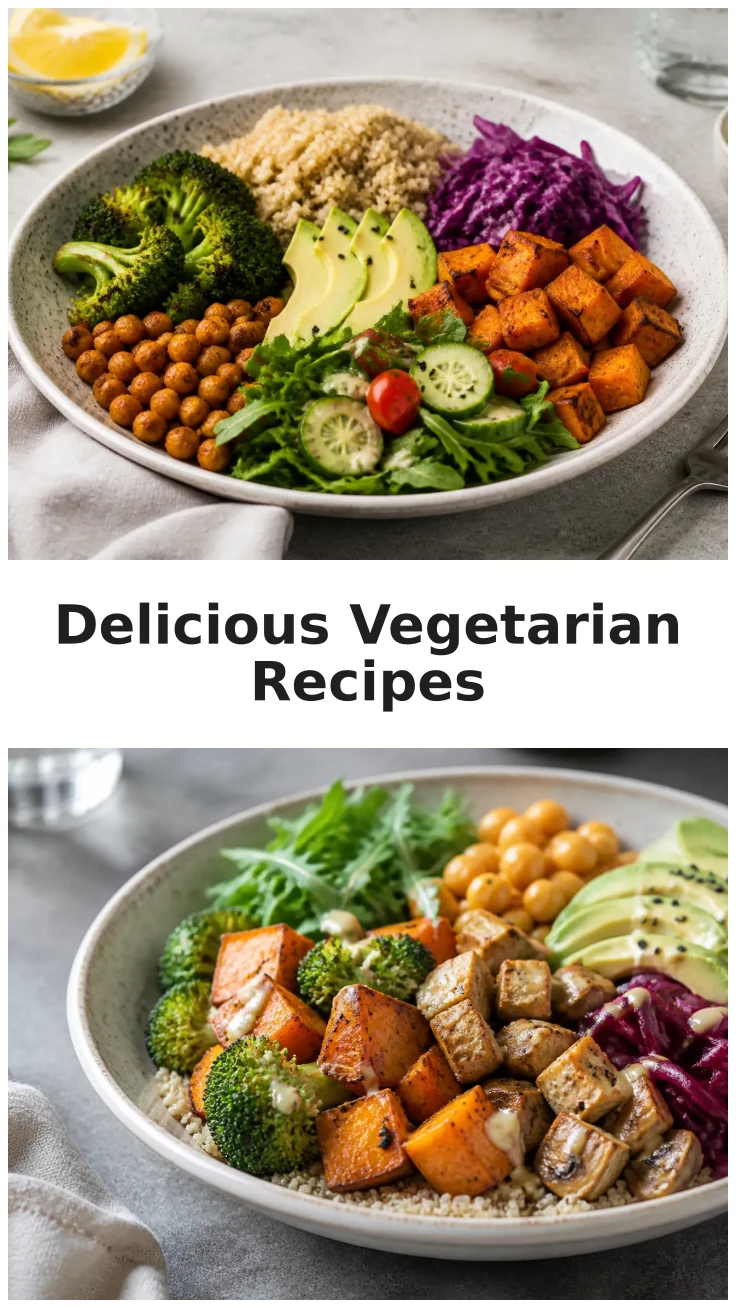
When crafting meatless meals, focus on ingredients that provide both flavor and nutrition. Staples include a variety of fresh vegetables like bell peppers, zucchini, and spinach. Legumes such as chickpeas, lentils, and black beans are excellent sources of protein. Whole grains like quinoa, brown rice, and couscous add texture and bulk to your dishes.
Substitutes for Common Meat Ingredients
If you’re used to cooking with meat, transitioning to vegetarian recipes may require some adjustments. For example, mushrooms can serve as a hearty substitute for steak, while tofu and tempeh can replace chicken. For a seafood flavor, try using seaweed or jackfruit in your recipes. These substitutes maintain the integrity of the dish while keeping it plant-based.
Step-by-Step Instructions
Mastering quick vegetarian dinners requires understanding preparation and cooking techniques that enhance flavor and texture.
Preparing the Ingredients
Start by washing and chopping your vegetables to ensure they cook evenly. If you’re using legumes, make sure they are rinsed and drained. Marinating tofu or tempeh in your favorite sauces can infuse them with flavor before cooking.
Cooking Techniques for Flavorful Dishes
Sautéing is a great way to bring out the flavors in your vegetables. Use olive oil and add spices like garlic, cumin, or paprika for depth. Roasting vegetables can caramelize their natural sugars, enhancing their sweetness. For those who enjoy pasta, consider a dish like Easy Roasted Tomato Ricotta Pasta for a rich and satisfying meal.
Pro Tips
Creating delicious vegetarian meals can be easy with a few tips and tricks.
- Balance flavors by incorporating sweet, salty, sour, and umami elements in your dishes.
- Use fresh herbs like basil, cilantro, and parsley to add brightness.
- Experiment with spices to create complex flavor profiles.
- Plan your meals to save time during busy weeknights.
The most important tip is to taste as you go. Adjust seasonings based on your preferences to ensure each dish is perfectly tailored to your palate.
Love easy home cooking like this? 🍔
Get simple American recipes, quick dinners and homemade desserts in your inbox every week. Free, no spam, unsubscribe anytime. See our Privacy Policy.
Serving Suggestions
Pairing your main dish with complementary sides and beverages can elevate your dining experience.
Pairing with Sides and Salads
Consider serving your main dish with a refreshing side like Easy Chickpea Cucumber Salad or a hearty Easy Italian Pasta Salad. These sides add texture and flavor, complementing your main course beautifully.
Beverage Pairings for Vegetarian Meals
For a refreshing beverage, consider serving iced tea or a light lemonade. These drinks cleanse the palate and refresh the senses, making them perfect accompaniments to vegetarian meals.
Nutritional Information
Understanding the nutritional value of your meals can help you make informed dietary choices.
Caloric Breakdown
Vegetarian dinners can be both nutritious and satisfying. Most plant-based meals provide ample protein and fiber while being lower in calories compared to meat-based dishes. This balance helps maintain energy levels and supports overall health.
Nutritional Benefits of Meatless Meals
Consuming a diet rich in fruits, vegetables, and legumes can reduce the risk of heart disease and improve digestive health. These meals are often rich in vitamins and minerals, supporting immune function and overall vitality.
For dessert, try a delightful Easy Lemon Blueberry Layer Cake to end your meal on a sweet note.


Easy No Meat Dinners: Vegetarian Stir Fry

Equipment
- 1 wok or large skillet
- 1 cutting board
- 1 chef’s knife
Ingredients
Vegetables
- 2 cups broccoli florets
- 1 bell pepper sliced
- 1 cup sliced carrots
- 1 cup sugar snap peas
Sauce
- 1/4 cup soy sauce
- 2 tbsp sesame oil
- 1 tbsp rice vinegar
- 1 tbsp honey
- 1 tsp grated ginger
- 2 cloves garlic minced
Instructions
Preparation
- Wash and prepare all the vegetables. Slice the bell pepper and carrots, and cut the broccoli into bite-sized florets.
- In a small bowl, whisk together soy sauce, sesame oil, rice vinegar, honey, grated ginger, and minced garlic.
Cooking
- Heat a wok or large skillet over medium-high heat. Add a little sesame oil to the pan.
- Add the broccoli, carrots, and sugar snap peas to the wok. Stir-fry for about 5-7 minutes until they are tender-crisp.
- Pour the sauce over the vegetables. Stir well to coat everything evenly. Cook for another 2-3 minutes.
Serving
- Transfer the stir fry to a serving dish. Garnish with sesame seeds if desired and serve hot with steamed rice or noodles.
Storage
- Store any leftovers in an airtight container in the refrigerator for up to 3 days. Reheat in a skillet over medium heat before serving.
Notes
Ingredient Substitutions: You can substitute tamari for soy sauce to make this recipe gluten-free.
How to Serve: Serve over brown rice or quinoa for a complete meal.
Storage & Freshness: This stir fry is best eaten fresh but can be stored for up to 3 days in the fridge.
Make-Ahead Tips: Prep the vegetables and sauce ahead of time to make cooking quicker during busy nights.
FAQ
Can I use frozen vegetables for this stir fry?
Yes, you can use frozen vegetables if fresh ones are not available. Just ensure to thaw them properly and drain any excess water before cooking. This will prevent the stir fry from becoming too watery and will help maintain the crisp texture of the vegetables.
What are some other protein options for this recipe?
To add more protein, you can include tofu or tempeh in this stir fry. Simply cut them into cubes or slices and cook them along with the vegetables. Another option is to sprinkle some roasted nuts or seeds like peanuts or sunflower seeds on top before serving.
Enjoyed this recipe? Leave a review!
There are no reviews yet. Be the first one to write one.

